
PokerStars on FanDuel just gave its Nightly Stars a real overhaul, and here’s my read: this isn’t a cosmetic refresh dressed up as generosity. It’s a targeted play to keep the regulars - the players who build the nightly ecosystem - from drifting away after a rocky platform merger. Deeper stacks and longer late reg are exactly what a serious grinder asks for, and an operator handing them over is a tell worth reading.
What Actually Changed
Let’s put the receipts on the table. Starting stacks jumped to 10,000 chips. Guarantees climbed to $25,000 on peak nights. Late registration now stretches to the 400/800 blind level, and the operator added fresh blind levels to give the early game more room. On top of that, the Mini Nightly events - the low buy-in sibling with their own guarantees - stay in the lineup for players who want the same nightly action at a smaller price.
Every one of those levers points in the same direction: more play, more depth. A 10,000-chip start with new early levels means you’re not shoved into shove-or-fold mode by the second break. Extending late reg to 400/800 means a player who logs on late - or busts an earlier table - can still buy in with a real stack to work with rather than a lifeless short stack.
The Structure Fight Is a Value Fight
Tournament structures are like weight classes and round lengths - they quietly decide who wins before the first bell. A turbo with a tiny stack rewards gamble and variance. A deep structure rewards skill, patience, and the kind of post-flop play grinders actually train for.
So when an operator boosts starting stacks and pushes late registration deeper, it’s tilting the field toward the players who care most about edge. Deeper stack sizes increase the number of decisions per tournament, which is precisely what a skilled regular wants - more spots to apply pressure, more room to outplay the field, less of the coin-flip chaos that turns a nightly into a lottery.
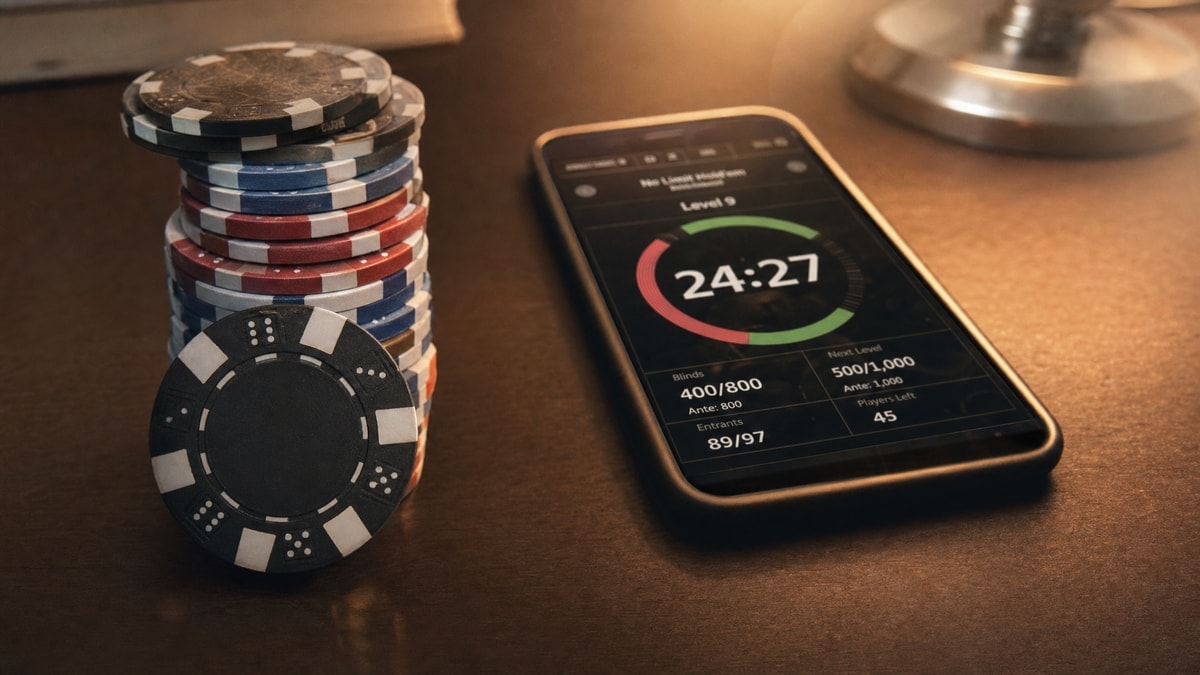
The guarantee bump to $25,000 on peak nights does something different. It’s a promise about prize pools, a signal the operator expects - or is willing to underwrite - enough traffic to justify a real number on the marquee. I won’t pretend to know how any overlays shake out; that’s not something to guess at. But the intent is legible: bigger guarantees are bait, and deeper structures are the reason to stay once you’ve bitten.
Why the Timing Reads as Retention
Here’s where the analysis sharpens. This upgrade doesn’t land in a vacuum. It follows a bumpy stretch for the merged PokerStars/FanDuel platform, where the software transition drew genuine player complaints. PokerRift has tracked that friction closely - from the split reviews when the new platform went live to the technical snags that dogged the merger. When your regulars are grumbling about the client, you don’t win them back with an apology. You win them back with value they can feel at the table.
And the operator said as much - it cited player feedback as the reason for the changes. That’s the key detail. This is the platform openly answering the room. Bigger stacks, higher guarantees, longer late reg: those are the three things a nightly regular complains about most when a structure feels thin. Fixing all three at once has the fingerprints of the customer base on it.
The US online poker market is a fight for a finite pool of grinders. When your platform is the one under scrutiny, standing still is losing. Upgrading the nightly grind - the bread-and-butter product these players touch every night - is where you plant your flag.
The Honest Counterargument
Now let me throw a punch at my own thesis, because it deserves one.
You could argue this is just routine product tuning - the kind of tweak any operator makes periodically, no grand strategy required. Sites adjust structures all the time. Maybe the timing near the merger friction is coincidence, and I’m reading a chess move into a housekeeping edit.
Fair. And I’ll concede the limits of what we know. We don’t have the exact buy-ins, the dates the changes took effect, which markets they apply to, or the previous stack and guarantee figures. Without the before-picture, calling this a dramatic upgrade rather than a modest bump is partly a judgment call.
But here’s why I still land where I land. Routine tuning tends to move one lever. This moved several in the same direction - stacks, guarantees, late reg, and new early levels - all at once, and the operator publicly hung it on player feedback. That combination isn’t the shrug of a maintenance patch. When a platform under pressure rebuilds its most-played product around what regulars asked for, retention is the most economical explanation.
What It Means for Your Nightly Grind
Strip away the merger politics and the value question is simple for the player at home: is the nightly worth your time now? On the structure alone, yes - more so than before. A 10,000-chip start with deeper early levels rewards the parts of your game you’ve worked on, and late reg to 400/800 gives you flexibility thin-structure turbos never will. If you’ve been building a bankroll around a steady nightly grind, a deeper, more skill-friendly format is a straightforward tailwind. New to the format? The tournament rules and basics are a solid place to start before you fire.
The Mini Nightly staying put matters too. It keeps the on-ramp open for smaller bankrolls and casual players - the recreational traffic that feeds the bigger events. A healthy nightly ecosystem needs both tiers, and keeping the low buy-in door open is quietly one of the smartest parts of this refresh.
So here’s the closing angle, and it’s not the one I opened with. Whether this is deliberate retention strategy or routine tuning, the answer barely changes what happens at your table tonight. What it tells us is bigger: on the merged PokerStars/FanDuel platform, the nightly grind is being treated as a product worth defending, shaped by the people who play it. In a US market where regulars have plenty of doors to walk through, rebuilding your everyday tournament around player feedback is the kind of move that gives a grinder a reason to come back tomorrow - and sometimes the retention play and the good product are the same thing.


